When I started going to marches and rallies in my early twenties, I wore whatever I had that was dark and comfortable. It took a few years and a lot of damp cardboard signs before I realized that what I wore could say as much as the sign I carried. A good protest clothing collection does more than keep you warm or dry. It turns your body into a mobile billboard for the ideas you believe in. Every t-shirt, every jacket, every hat becomes a conversation starter, a statement of solidarity, and a small act of resistance all at once.
I have been building my own collection for about a decade now. I have bought pieces from small activist-run shops, traded with friends at encampments, and even made a few of my own using stencils and spray paint. Along the way I have learned what works, what falls apart, and what actually helps people feel seen and heard. If you are thinking about starting or improving your own protest clothing collection, here is what I have found matters most.
Start With the Basics: What Makes Good Protest Clothing?
The first thing to understand is that protest clothing is not the same as regular casual wear. A band t-shirt from a concert is fine for everyday life but it does not carry the same weight as a shirt with a clear political statement. The best pieces in any protest clothing collection are built around three things: clarity of message, durability of materials, and comfort for long days on your feet.
Clarity matters because you will often be seen from a distance or in a crowd. A design that is too busy or uses tiny text is useless when someone is trying to read it from twenty feet away. The most effective activist apparel I have owned uses bold lettering, simple graphics, and high contrast colors. Black ink on a white shirt. White ink on a dark shirt. A single strong image that reads in a second. That is what works.
Durability matters because protest clothing takes a beating. You might sit on concrete, kneel on asphalt, get caught in rain, or be shoved by police. Cheap screen printing flakes off after one wash. Good silkscreen printing bonds the ink into the fabric so it lasts through dozens of wears. I have a shirt from a 2017 women's march that still looks sharp because it was printed with care. That is the kind of quality you want to look for.
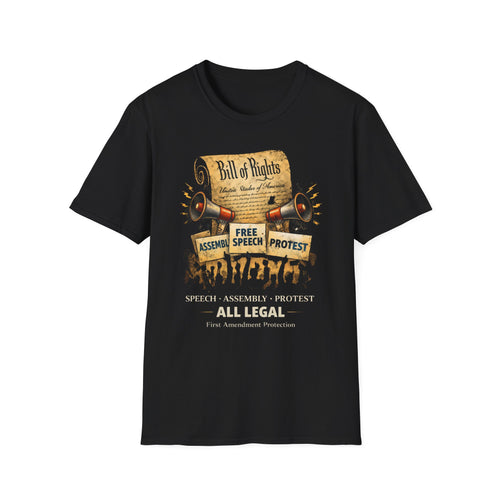
Comfort might seem obvious, but I have seen people show up in stiff new boots or tight shirts that restrict movement. You need clothing that lets you stand for hours, walk for miles, and still feel human at the end of the day. Natural fibers like organic cotton breathe better than synthetics. Fair trade materials also tend to be softer because they are made with more attention to the people who produce them.
Design and Message: Finding Your Voice
One of the hardest parts of building a protest clothing collection is deciding what you want to say. There are a lot of causes out there, and you cannot carry them all on your back. I have found it helps to focus on a few core issues that matter most to you. For me, those are civil liberties, free speech, and democracy. Others in my circle focus on social justice, climate action, or immigrant rights. There is no wrong answer as long as the message is honest.
Satirical design has become one of my favorite approaches. A well-done joke can cut through anger and make people laugh while also making them think. I own a shirt that shows a cartoon of a politician with a speech bubble that says something ridiculous. It gets laughs at rallies but it also starts real conversations about the absurdity of power. Satire has a long history in protest art, going back to political cartoons and punk rock flyers. It works because it disarms people who might otherwise tune out a more serious message.
That said, not every piece needs to be funny. Some of the most powerful political statements are direct and solemn. A simple phrase like "Protect the First Amendment" or "Defend Democracy" can carry enormous weight when worn in the right context. I keep a mix in my collection. Some days I want to make people smile. Other days I want them to stop and reflect. Having both options lets me match my clothing to the mood of the event and the crowd.
Practical Considerations: Sourcing and Care
Where you buy your protest clothing matters. A lot of big online retailers sell cheap shirts that are printed in factories with poor labor standards. That kind of irony is hard to stomach when your shirt says "Fair Trade Now" on the front. I try to buy from independent sellers who use sustainable materials and pay their workers fairly. Organic cotton is not a luxury; it is a basic commitment to not poisoning the planet while you fight for it. Fair trade certification means the people who sewed your shirt were not exploited in the process.
Silkscreen printing is the standard for good activist apparel because it is cost-effective and produces bold, long-lasting images. But the quality of the printing depends on the skill of the printer. I have had shirts where the ink cracked after two washes and others that still look new after years. Ask around in your local activist community for recommendations. Word of mouth is the best guide to finding a printer who cares about their work.
Care is another thing that people overlook. Hot water and high heat in the dryer will destroy any print. I wash my protest shirts inside out on cold and hang them to dry. It takes a little more time but it keeps the designs looking sharp. A good protest clothing collection is an investment, not a disposable purchase. Treat it like one.
Beyond the Shirt: Expanding Your Collection
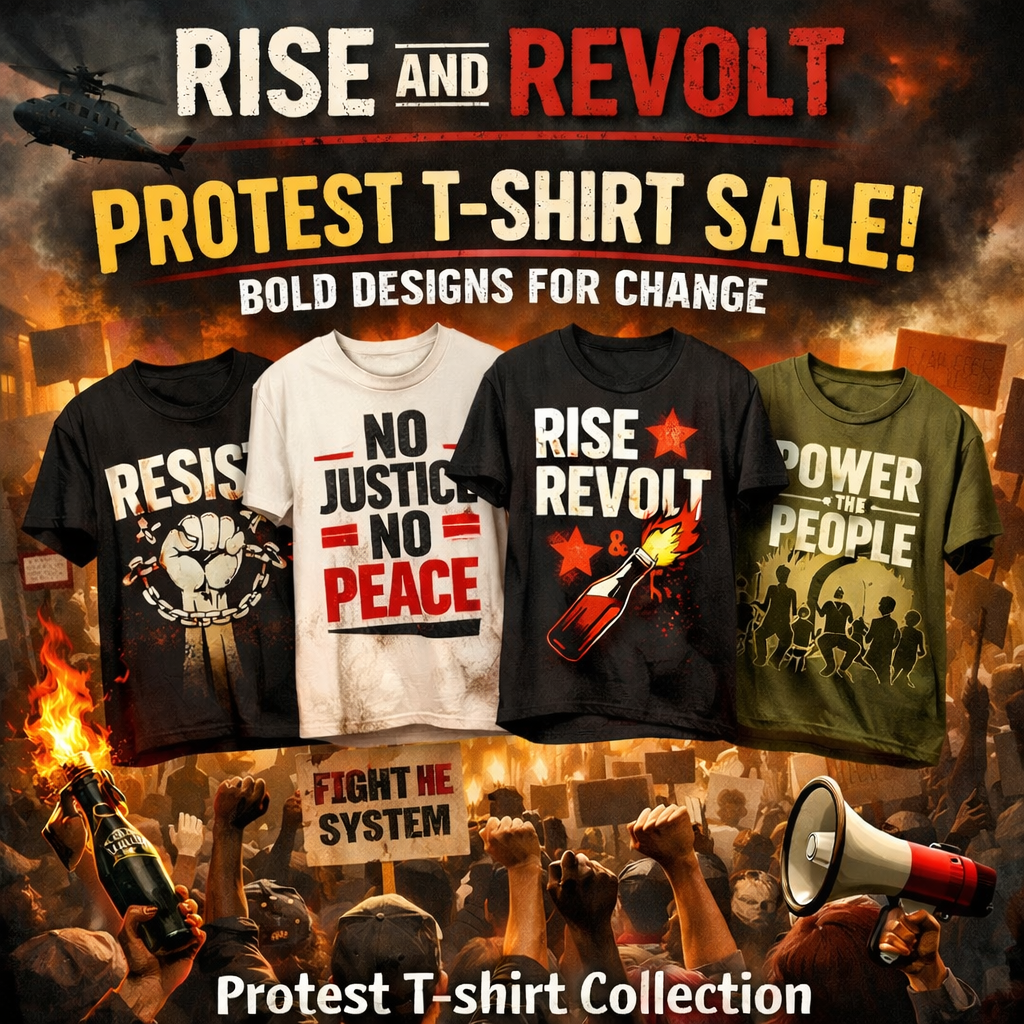
A protest clothing collection does not have to stop at t-shirts. Jackets, hats, bags, and even coffee mugs can carry messages. I have a denim jacket that I have covered in patches and pins over the years. Each one represents a different march, a different cause, a different moment in the fight for justice. It has become a kind of wearable scrapbook. People stop me on the street to ask about specific patches, and that opens the door to conversations I would never have otherwise.
Speaking of coffee, I have found that a good cup of fair trade coffee at an early morning rally does more for morale than almost anything else. Some activist groups sell their own branded coffee as a fundraiser. Drinking it before a march feels like a small ritual of solidarity. It reminds me that I am part of a community that looks after each other. And when I see someone else sipping from the same kind of cup, I know we are on the same side.
The Deeper Meaning: Anger Management and Patriotism
There is a strange paradox at the heart of protest clothing. On one hand, it is an expression of anger. We wear it because we are furious about injustice, corruption, and the erosion of our rights. On the other hand, it is an act of hope. We wear it because we believe that enough people seeing our message can make a difference. That tension between anger and hope is what gives activist apparel its power. It is a form of anger management that channels frustration into visibility rather than violence.
Some people argue that wearing a protest shirt is not real activism. They say real change happens in courtrooms and legislative chambers, not on people's chests. I have heard that critique for years and I understand where it comes from. But I also know that every major social movement in American history used clothing as a tool. From the freedom riders in their suits to the Black Panthers in their berets to the pink hats of the women's marches, what people wear has always been part of the story.
Patriotism is another layer that often gets overlooked. When I wear a shirt defending the First Amendment or the right to dissent, I am not rejecting my country. I am insisting that it live up to its own promises. That is a deeply patriotic act. The counterculture has always been the conscience of the nation, pushing it to be better. Protest clothing is one of the most visible ways that conscience shows itself in public space.
Building Your Own Collection: Where to Start
If you are new to this, do not feel like you have to buy everything at once. Start with one or two pieces that speak directly to the issues you care about most. Wear them to a local rally or a city council meeting. See how it feels. Pay attention to the reactions you get. You might be surprised by how many people smile, nod, or come up to talk to you. That is the whole point. A protest clothing collection is not a fashion statement. It is a tool for building solidarity and spreading ideas.
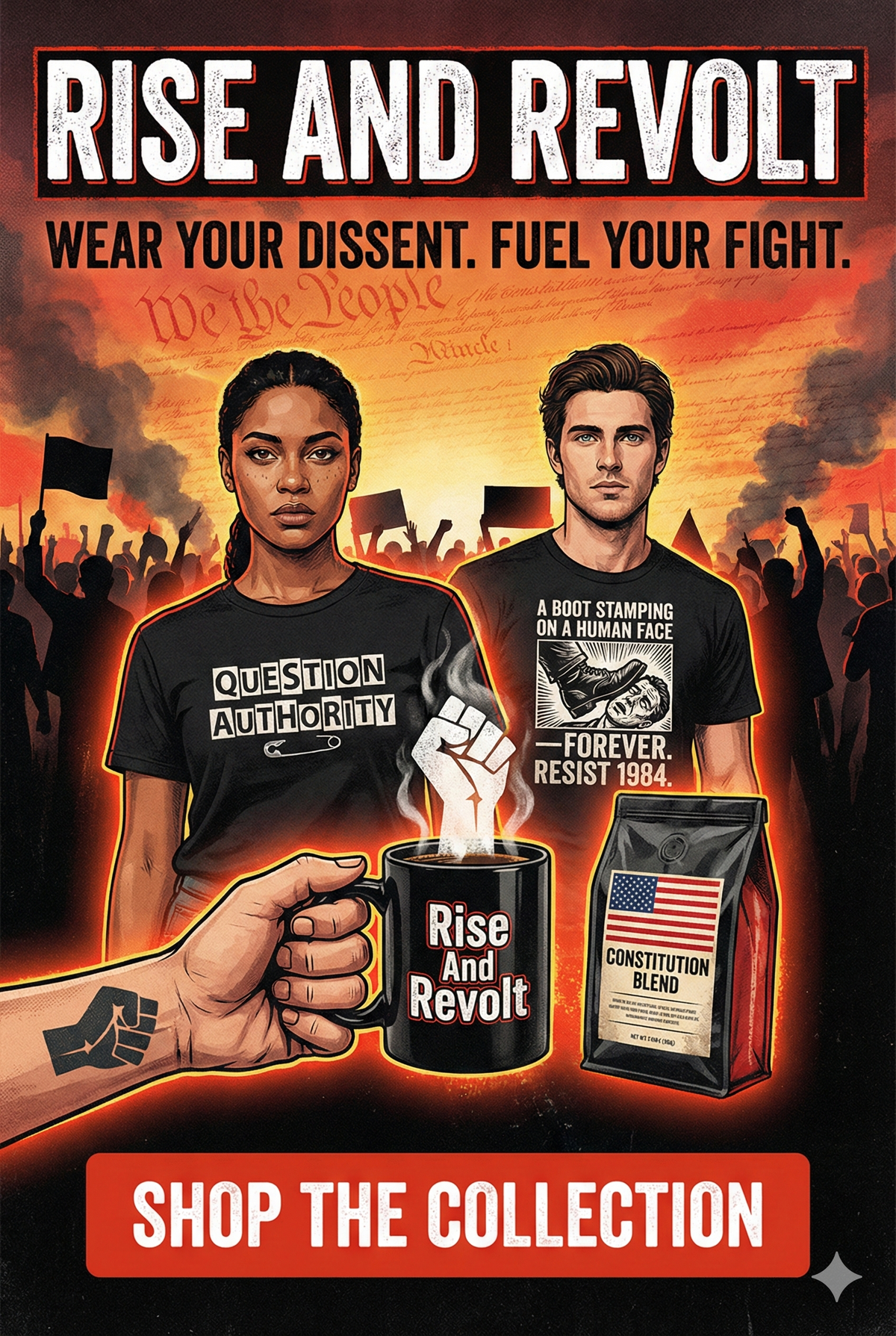
As you grow your collection, think about versatility. A shirt with a strong message works at a protest but it also works at a coffee shop, a book club, or a friend's backyard barbecue. The more places you wear it, the more people see it. That is how a small piece of fabric becomes part of a larger conversation about democracy, resistance, and the kind of world we want to build together.
I have been doing this long enough to see how a single well-made shirt can change someone's day. I watched a woman at a rally read the back of my jacket and start crying. She said she had felt alone in her beliefs until she saw someone else wearing them out loud. That moment reminded me why I keep building my protest clothing collection. It is not about the clothes. It is about the connections they create and the courage they give people to speak up.
So go ahead. Find a design that makes your heart beat a little faster. Choose materials that respect the planet and the people who made them. Wear your values on your sleeve, your chest, and your back. And when someone asks you what your shirt means, tell them. That is where the real work begins.